
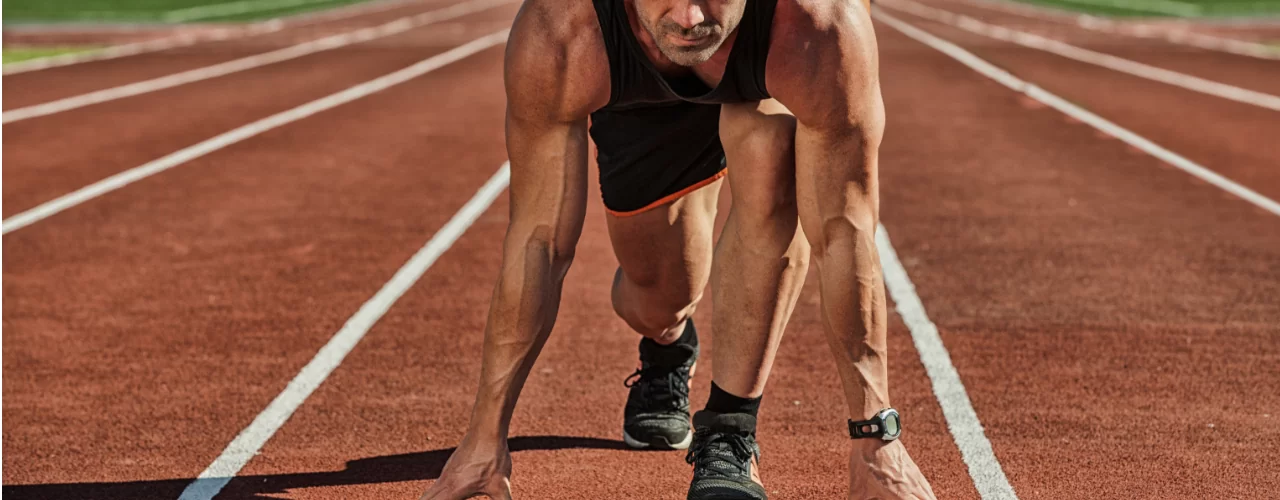

At Exercise Sport Physical Therapy, we are happy to say we have some of the most dedicated and advanced physical therapists who can help you with sport-specific training. Our physical therapists work closely with athletes like you to improve performance, achieve goals, and prevent injuries.
Working with our Overland Park, KS physical therapists can help you reach your peak performance, whether you’re recovering from an injury or trying to strengthen your skills. They are dedicated not only in helping you reach your goals, but also in helping you develop new ones. If you are interested in working with one of our licensed physical therapists for sports conditioning or pre-season training, don’t hesitate to request an appointment today!
Golf Injuries
At Exercise Sport Physical Therapy, we can help you find relief for any injury you may be experiencing. Some common types of sports injuries include:
- Golfer’s elbow: This condition is used to describe an overuse golf injury that causes muscle inflammation inside the elbow. This injury runs from the bony point of your elbow and can stretch down your forearm, making it difficult to extend or lift your arm. Golfer’s elbow can make it difficult to perform your sport, especially with swinging motions.
- Flexor tendinitis: This is an overuse injury that causes swelling in the tendons that control your hand movement, making it difficult to bend your fingers and move your hand or elbow. Flexor tendinitis is typically associated with golf, as it is a sport that requires constant swinging.
- Rotator cuff tear: Rotator cuff tears can occur from either acute or overuse causes. For example, repetitive swinging motions, such as those associated with golf, can all result in rotator cuff tears. This occurs when the muscles or tendons that surround the shoulder joint become damaged or torn.
Running Injuries
At Exercise Sport Physical Therapy, our licensed therapists can guide you through proper exercises, stretches, movements, and body control, in order to prevent future injuries from occurring. Many injuries occur due to improper techniques or overexerting your body. Some of the most commonly sustained injuries include:
- Shin Splints: Nearly every runner has experienced inflammation and pain in the tendons and muscles of the lower leg. Shin splints are more likely to occur after you change your workout routine. Reducing your running, using over-the-counter pain relievers, and icing are all recommended treatments for shin splints.
- Runner’s Knee: Officially named patellofemoral pain syndrome, this condition generally refers to the breakdown of cartilage under the kneecap. According to Runner’s World approximately 40 percent of injuries sustained by runners are in the knee. While a runner’s knee will often improve on its own, sometimes physical therapy is needed to improve the condition.
- Achilles Tendonitis: This is an injury that occurs in the heel and often results in pain and swelling. Running in old or poor quality shoes can cause this condition. Icing, elevating the foot to reduce swelling, and wearing shoe inserts are treatment options used to improve Achilles tendonitis. It’s also important to remember that strong calves will help to prevent relapses.
- Plantar Fasciitis: Of all the various sports injuries, this is one that not only affects runners but can happen to almost anyone who walks a lot or stands on their feet for extensive periods of time. With this injury you can feel pain throughout the arch or the heel. This injury can often be treated with rest, massage, exercises, and a better pair of shoes. Custom orthotics may also be beneficial for some with plantar fasciitis.
- Sprains/Strains: Many people think “sprains” and “strains” are synonymous; however, they have one distinct difference. Strains occur when a tendon is stretched beyond its limits or torn, while sprains occur when a ligament is stretched beyond its limits or torn. Tendons are tissues that connect muscles to bones, and ligaments are tissues that connect bones to one another. Sprains and strains can both range from mild to severe, and even mild ones may take up to 6 weeks to heal. When they become more severe, braces or surgical correction may be necessary. This will require a longer recovery time, up to 8 weeks or longer, and physical therapy treatments will likely be prescribed.
Throwing Mechanics
At our Overland Park, KS clinic, we are happy to say that we offer preventative movement screening, designed to identify deficiencies and teach the techniques needed in order to prevent injuries.
These programs will teach the patient how to execute the proper techniques for throwing, including, but not limited to:
- Leading with the hips
- Weight shift and transfer of force
- Keeping your hand over the top of the object being thrown
- Keeping the elbow up during the acceleration phase
- Closing the shoulder when accelerating the throw
- Moving the leading foot towards “home”
Another important part of injury prevention is understanding proper warmup drills prior to throwing to help prepare your body for the throwing motion. We teach these to the athlete, which they will be able to use before each practice, lesson, or game. While throwing mechanics obviously focus heavily on the arms, we will also provide warmups focusing on the trunk and legs, as these are also important parts of the body involved in the throwing process.
Sport-specific throwing drills will also help you clearly understand the proper technique when throwing and will enhance your muscle memory of those proper mechanics. We will teach strengthening exercises to focus on keeping your muscles balanced and strong, enhancing those throwing mechanics. Contact Exercise Sport Physical Therapy to make an appointment with one of our specialty-trained vestibular physical therapists in Overland Park, KS.