
Safe Snow Shoveling Tips from Exercise Sport Physical Therapy
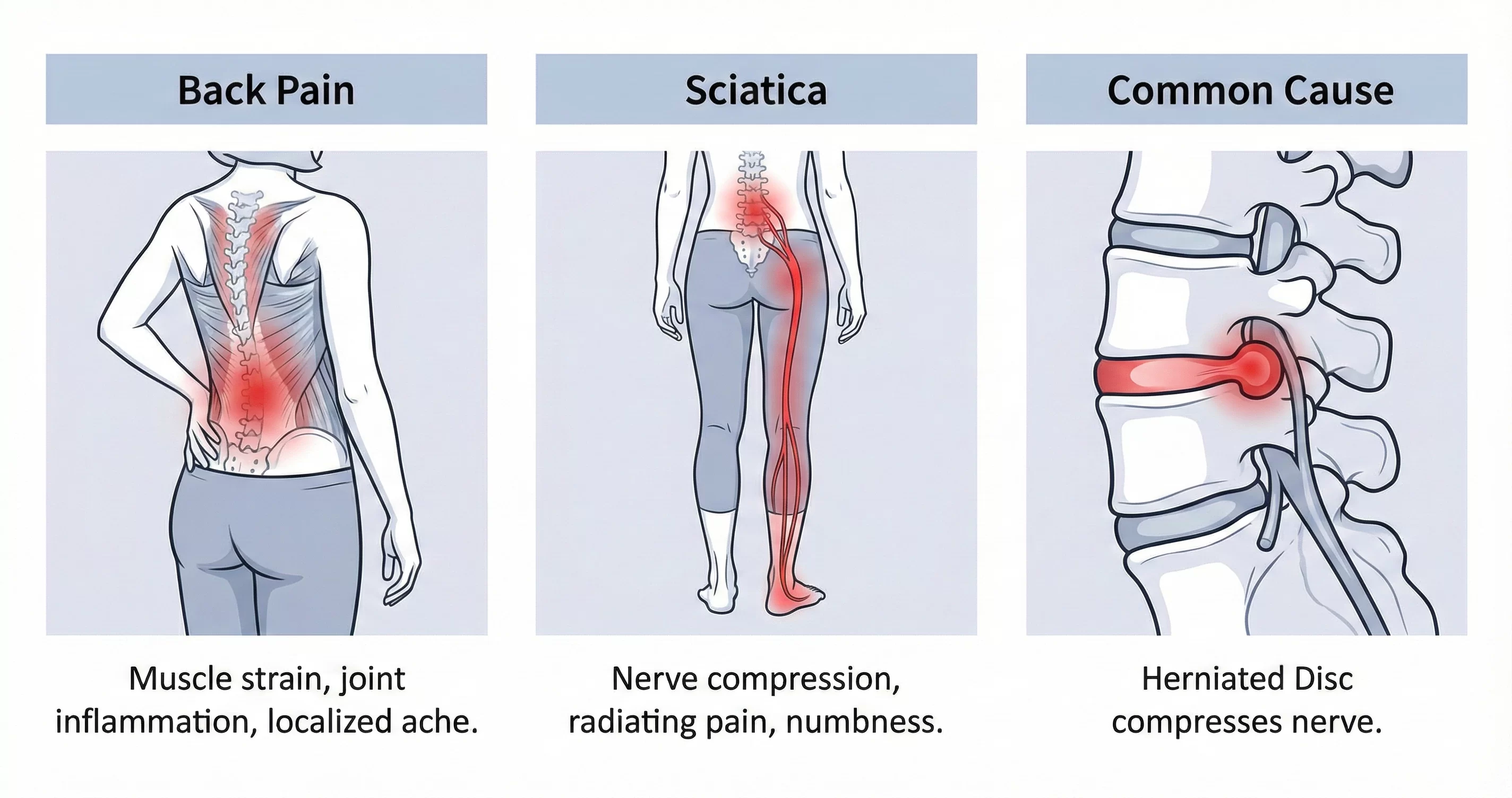
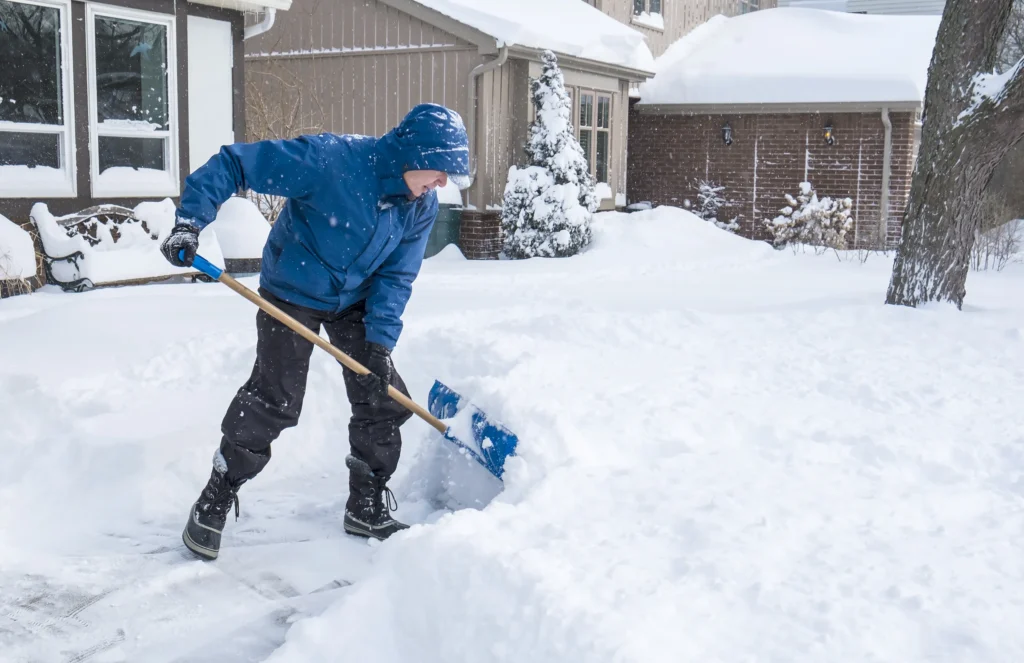
Winter often brings snow-covered driveways and walkways—and with them, the chore of shoveling. While it’s a necessary task, improper technique can lead to strains, sprains, or even more serious injuries. At ESPT, our physical therapy team hopes to keep you safe and pain-free with the following snow shoveling tips.
1. Warm Up Before You Shovel
Shoveling is a physical activity that requires preparation. Take 5-10 minutes to warm up with light exercises, like marching in place or stretching. Warming up improves blood flow and prepares your muscles for the task ahead, reducing your risk of injury.
2. Choose the Right Shovel
Opt for a lightweight shovel with an ergonomic design to minimize strain on your back and shoulders. A shovel with a curved handle or adjustable length allows for a more comfortable grip and posture.

3. Use Proper Technique
- Lift with Your Legs: Bend your knees and keep your back straight when lifting snow.
- Push, Don’t Lift: Whenever possible, push the snow instead of lifting it to reduce the strain on your lower back.
- Take Smaller Loads: Avoid overloading your shovel. Smaller, lighter loads are easier to handle and less likely to cause injury.
- Don’t Twist: Toss snow straight ahead vs twisting your body to throw.
4. Pace Yourself
Shoveling can be physically demanding, especially for extended periods. Take breaks every 15-20 minutes to rest and hydrate. Listen to your body, and don’t hesitate to stop if you feel pain or discomfort.
5. Protect Your Back and Shoulders
- Engage Your Core: Use proper breathing techniques to support your spine while shoveling. Avoid holding your breath to maintain spinal support and prevent strain.
- Avoid Overreaching: Keep the shovel close to your body to maintain balance and reduce strain on your shoulders and arms.
6. Be Mindful of Slippery Surfaces
Snow and ice can create hazardous conditions. Wear shoes with good traction to prevent slips and falls, if icy use salt or sand to improve footing as you shovel.
Sources: https://www.apta.org, https://www.choosept.com/health-tips/snow-shoveling-safety-tips
When to Seek Help from Exercise Sport Physical Therapy
If you experience pain, stiffness, or discomfort after shoveling, our physical therapy experts at ESPT can help. We specialize in treating and preventing back, shoulder, and joint injuries. Along with healing your injury, our staff will provide education on proper snow shoveling techniques to reduce the risk of a repeat injury. Don’t let winter chores disrupt your health—schedule a consultation today to ensure you stay active and pain-free all season long.
Why Choose ESPT?
At ESPT, we combine expert care with a patient-centered approach to help you achieve your best health. Our physical therapy team is dedicated to helping you recover from injuries, prevent future issues, and maintain your wellness through every season.
Take Action Today
Stay safe and healthy this winter. If you’re looking to prevent injuries or find yourself dealing with persistent pain that does not resolve, call Exercise Sport Physical Therapy today. Our team is here to help you stay active and pain-free with personalized physical therapy solutions. Together, we’ll help you feel better, move better, & live better.

Stay Active This Winter: Tips for Keeping Moving in Colder Weather
As temperatures drop, it’s tempting to stay indoors and put exercise on hold. However, staying active in colder months is essential for maintaining strength, flexibility, and overall well-being. Here are some practical tips to keep moving safely this winter.
1. Dress in Layers
Wearing multiple layers helps trap heat and keeps you warm while allowing you to remove clothing as your body temperature rises. Opt for moisture-wicking materials to stay dry and avoid cotton, which holds moisture and can make you colder.
2. Warm Up Indoors
Before heading outside for a walk or workout, do a short warm-up inside. Light stretching, marching in place, or gentle yoga can help increase circulation and prepare your muscles for movement.
3. Take Advantage of Indoor Activities
If outdoor conditions are too harsh, try indoor exercises such as bodyweight workouts, yoga, or resistance band training. Walking in a mall or using a treadmill can also help maintain your step count during winter months.
4. Stay Hydrated
Even in colder temperatures, hydration is key. Dry winter air and heated indoor spaces can lead to dehydration, so make sure to drink enough water throughout the day.
5. Be Mindful of Slippery Surfaces
Snow and ice can increase the risk of falls. Wear shoes with good traction, walk with shorter strides, and consider using walking poles for extra stability. If sidewalks are unsafe, opt for an indoor walking routine instead.
6. Try a Winter Sport
Winter is a great time to try new activities like ice skating, cross-country skiing, or snowshoeing. These fun alternatives help keep your heart rate up while making the most of the season.
7. Set a Winter Fitness Goal
Setting a goal, such as walking a certain number of steps per day or completing a specific number of workouts each week, can help you stay motivated and accountable.
Staying active in winter doesn’t have to be a challenge. With a little preparation and creativity, you can maintain your exercise routine, improve your health, and keep moving all season long!

Feel Better by Eating Better!
Juicy Baked Chicken Breast
- 4 (7 to 8 oz) boneless, skinless chicken breasts
- 2 tsp olive oil
- 1 tbsp chili powder
- 1 tsp parsley flakes
- 1/2 tsp salt
- 1/2 tsp black pepper
- 1/2 tsp garlic powder
- 1/2 tsp onion powder
- 1/2 tsp cumin
Pre heat oven to 425 degrees F. Line a baking sheet with foil and spray with non-stick spray. Place the chicken breasts between two sheets of parchment paper and pound to an even thickness. Drizzle both sides of chicken with olive oil. Combine seasonings and sprinkle generously over both sides of the chicken breasts. Bake for 20 minutes. Remove from oven and cover loosely with foil for 5 minutes before slicing.
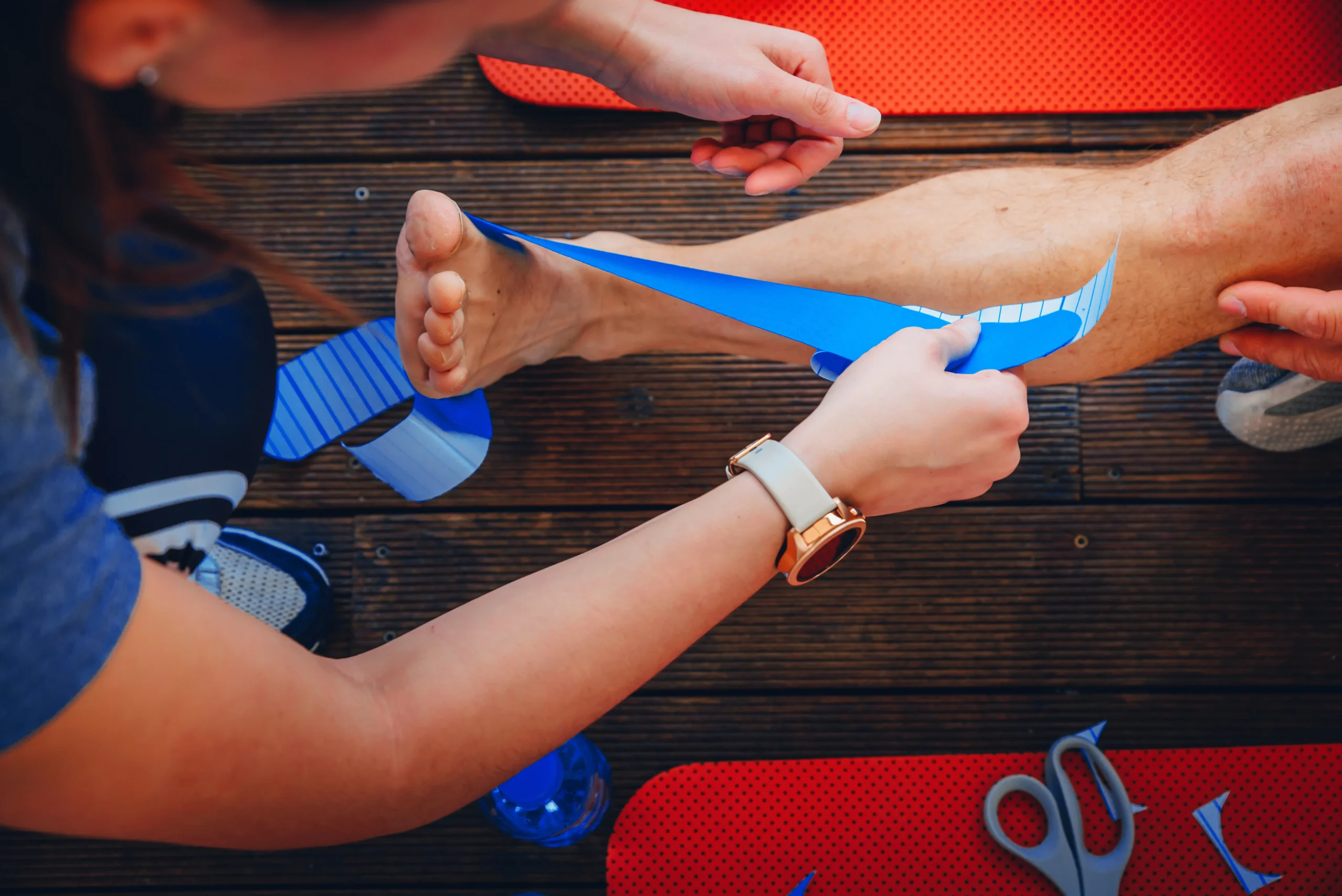
Stay in the Game, Skip the Pain: The Role of Sports Physical Therapy
Athletes often push their bodies to the limit to achieve their goals. This intense effort, or an unfortunate accident, can sometimes lead to injuries. Fortunately, with the right information and approach, many of these injuries can be avoided or effectively managed through physical therapy.
Here, we explore the most common sports injuries and how physical therapy can be a pivotal player in preventing surgeries.
Common Sports Injuries
First, let’s discuss some of the most frequently encountered sports injuries. One of the main reasons for these injuries includes deceleration incidents, which put immense strain on muscles and ligaments, and sudden changes in direction, which can cause lower body sprains and strains.
In addition, inadequate or improper training methods, including insufficient warm-up and improper technique, elevate the risk of injuries. Overuse injuries (i.e., repetitive stress) frequently occur without proper rest, leading to complications such as tendonitis.
The top sports injuries are:
- Ankle Sprains: Ankle sprains are common in sports involving running and jumping when the ligaments surrounding the ankle are stretched or torn.
- Knee Injuries: Athletes are prone to knee injuries, which can involve damage to ligaments, cartilage, or other structures within the knee joint.
- Shoulder Injuries: These encompass a range of issues, including rotator cuff tears and dislocations, often seen in sports that involve overhead motions like swimming or baseball.
- Fractures: These involve breaks in the bones from a single, forceful incident or stress fractures (caused by repetitive stress).
Our physical therapists can guide you through preventive strategies to reduce your risk of sports injuries and promote a safer athletic environment.
Seek the Right Guidance
Physical therapy plays a significant role in helping athletes avoid surgeries and return to their optimal performance levels. Here’s how:
- Personalized Plans: Our therapists design individualized plans that focus on strengthening the muscles and improving mobility to help prevent future injuries.
- Education and Training: Our therapists educate athletes on the proper techniques, including tips on body mechanics, posture, movement patterns, and preventive measures to avoid injuries.
- Functional Restoration: Physical therapy focuses on restoring the function of injured areas, enabling athletes to return to their sport with a minimized risk of re-injury or need for surgery.
By working closely with our skilled physical therapists, athletes can return to their favorite sports and sidestep any potential surgeries!
Call Exercise Sport Physical Therapy to schedule a consultation with one of our sports therapists!