
Why Knee Pain Isn’t Always a Knee Problem
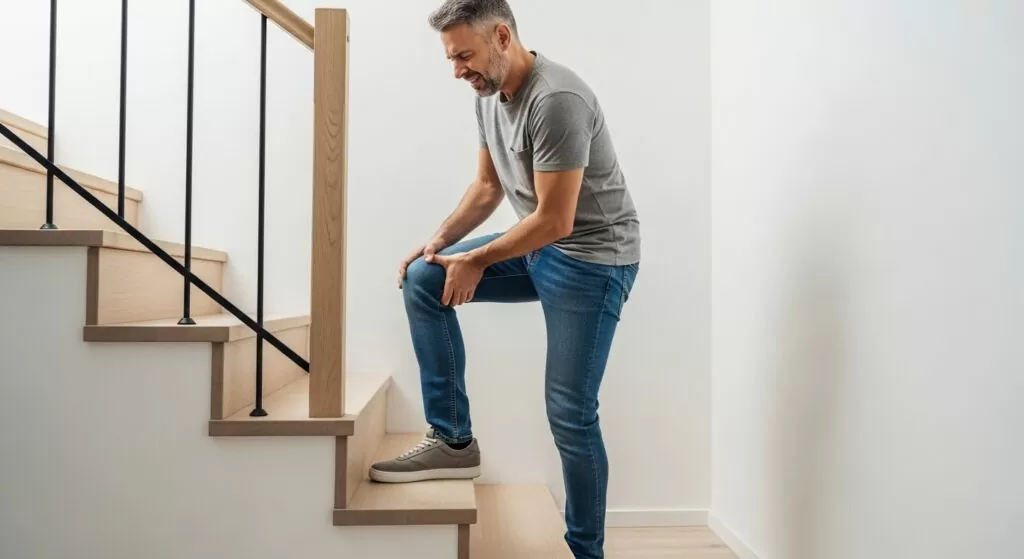
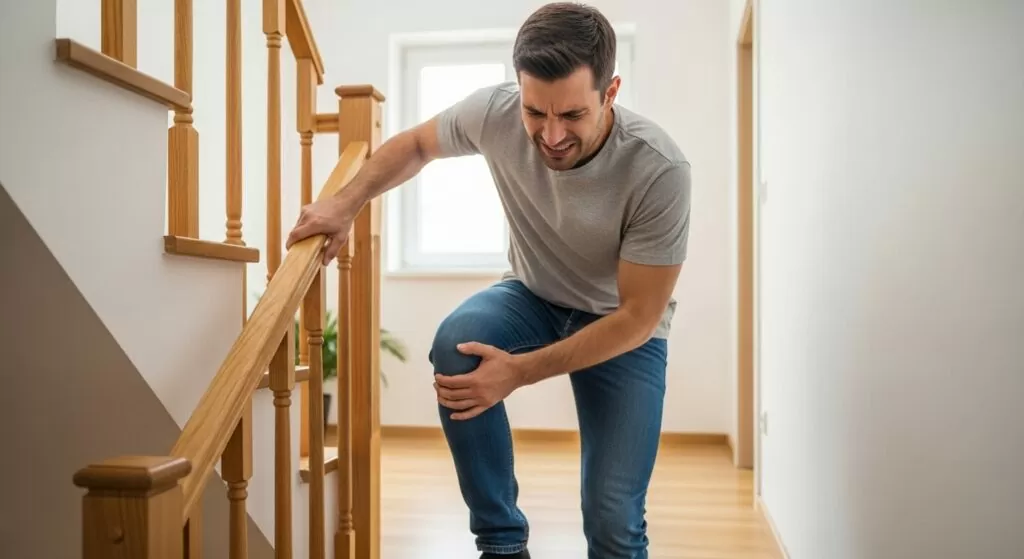
If you’ve been dealing with persistent knee pain, it’s easy to assume that the problem lies with the knee joint itself. Sometimes this is the case. But sometimes, your knee is just the messenger, and the real problem is elsewhere in your body.
When this happens, it’s important to seek treatment that can address your whole body, not just your knee. And that’s where Exercise Sport Physical Therapy shines.

From Hip to Knee to Ankle: Understanding the Kinetic Chain
No part of your body works in isolation. In fact, all of your joints and muscles are interconnected in a concept that physical therapists call the kinetic chain, which explains how different body parts work together to create movement.
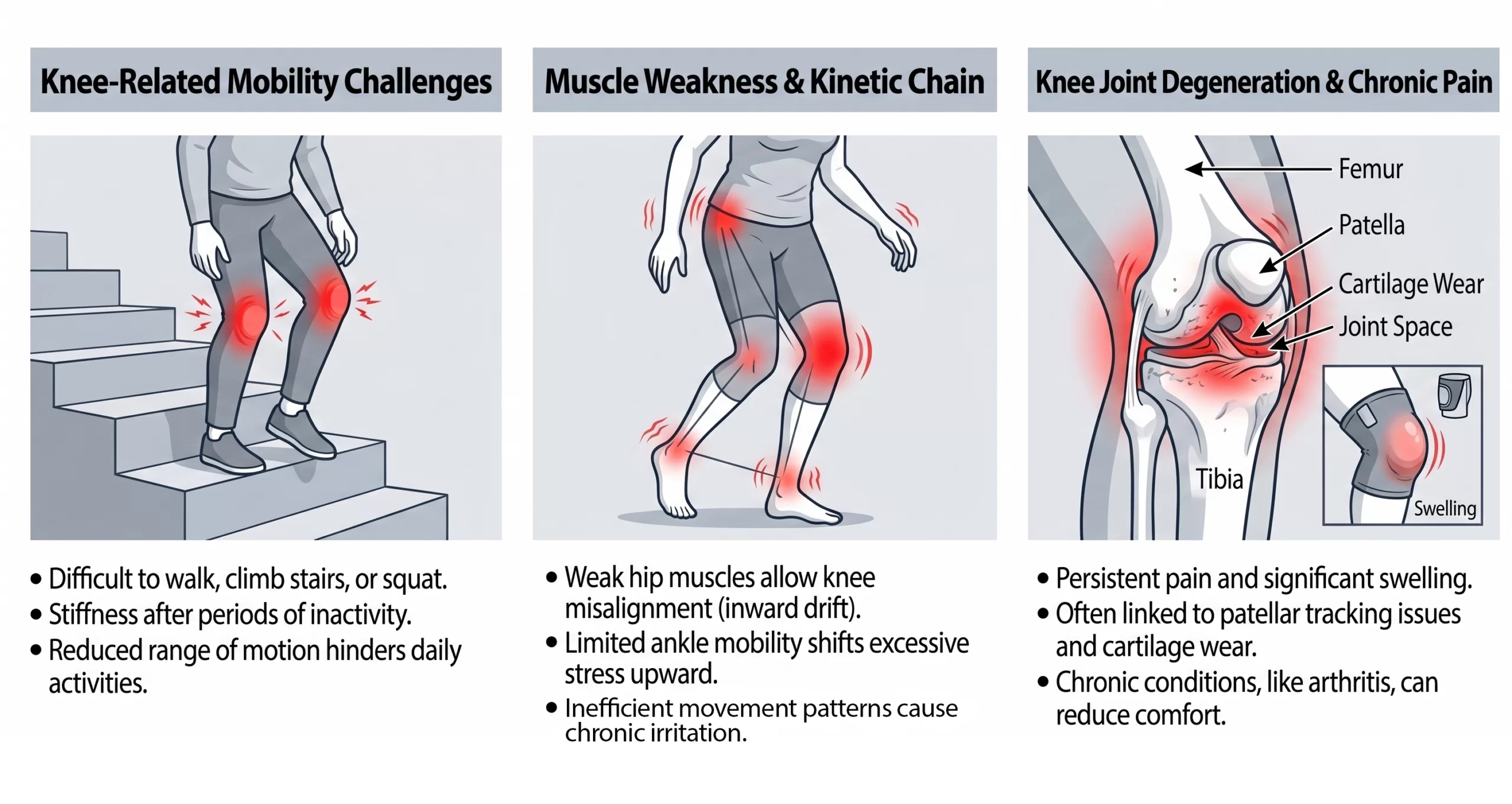
When one area is weak, stiff, or out of sync, other regions compensate. Over time, that added stress can show up as pain, often in the knee.
What Might Be Causing Your Knee Pain?
Hip Weakness
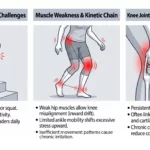
The hips play a key role in controlling leg alignment during walking, running, and squatting. When the hip muscles aren’t providing enough support, the knee may drift inward, increasing strain on the kneecap and surrounding tissues.
Limited Ankle Mobility
The ankle needs to bend forward effectively to allow smooth movement. If it becomes stiff due to injury or other issues, the body shifts stress upward. This added demand frequently lands on the knee, especially during activities like squatting or climbing stairs.
Foot Mechanics and Stability
The way your foot interacts with the ground influences how forces travel through your leg. If the foot rolls in too much or lacks stability, it can alter knee alignment. Over time, this can contribute to irritation and inefficient movement patterns.
Core Weakness
The core provides stability for the trunk and pelvis during movement. Without adequate support, control through the entire lower body decreases. This lack of stability can lead to compensations that place additional strain on the knee.
Other Movement Patterns and Habits
Repetitive activities and daily habits can reinforce inefficient movement patterns. Over time, these patterns increase stress on certain joints. Even small factors, such as posture or how you perform common tasks, can contribute to ongoing knee discomfort.

Why A Whole-Body Approach is Essential
If your knee pain stems from dysfunction elsewhere in the body, treating only the knee will lead to stalled progress. Lasting improvement often comes from addressing the full movement system, not just the painful area.
That’s why the team at Exercise Sport Physical Therapy focuses on how your entire body moves and functions together. We’ll start with a detailed movement assessment to understand how all the parts of your body work together. Next, we’ll pull from several treatment techniques tailored to your goals and lifestyle.
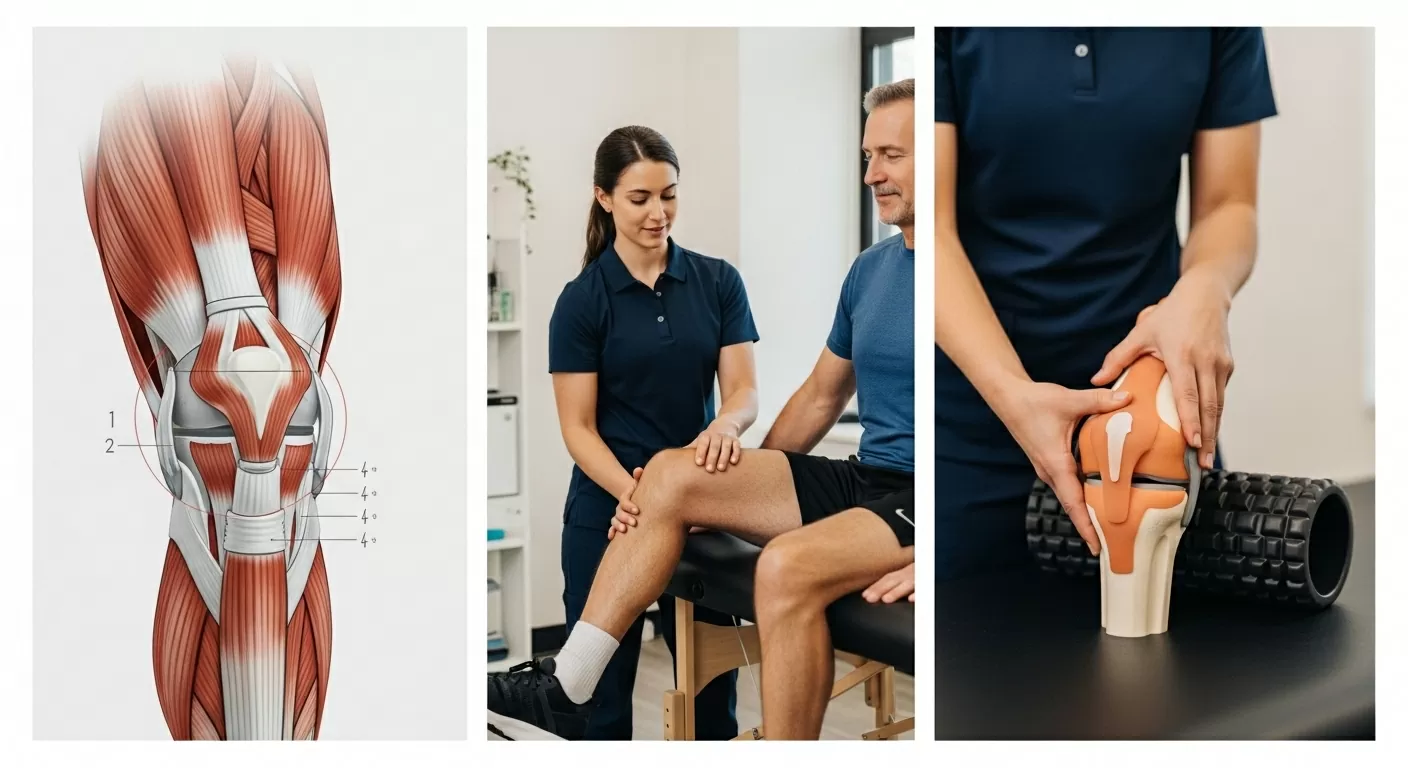
Treatment Techniques That Help Knee Pain
Manual Therapy
- Hands-on techniques such as joint mobilization and soft tissue work can reduce stiffness and improve mobility, making it easier to move with less discomfort.
Mobility Work
- Improving the range of motion in the hips, calves, and ankles helps distribute forces more evenly through the leg, decreasing pressure on the knee during activity.
Neuromuscular Training
- This type of training improves how your body controls movement during tasks like squatting and stepping. Better control reduces knee strain and lowers the risk of reinjury.
Strength Training
- Building strength in the hips and quadriceps reduces load on the knee and improves alignment, helping decrease pain and improve function over time.
Activity Modification
- Adjusting activity levels or technique can calm irritation while you build strength and control. A gradual return helps restore tolerance without flare-ups.
Education and Self-Management
- Understanding your specific triggers and how to pace activity helps you manage symptoms day to day and supports long-term progress.
Treat the Source, Not Just the Symptoms
Knee pain is common, in large part because it can have so many potential causes. Looking at how your body moves as a whole can reveal the true source of the problem. Once you address that, your progress becomes more consistent and more sustainable.
If you’ve been struggling with knee pain that hasn’t improved the way you expected, it may be time to look beyond the joint itself. Better movement starts with a broader view and the right plan to support it.
Curious to learn more about the roots of your knee pain? Schedule an appointment with Exercise Sport Physical Therapy for an initial assessment!
Sources: https://acrjournals.onlinelibrary.wiley.com/doi/abs/10.1002/acr.25160, https://www.sciencedirect.com/science/article/pii/S1360859223001286
Reducing Knee Swelling: Proven Physical Therapy Techniques
In our commitment to helping individuals effectively manage knee arthritis, alleviating swelling is a crucial aspect of the process. At Exercise Sport Physical Therapy, our skilled physical therapists use proven techniques and strategies to reduce swelling in the knee, ultimately enhancing your comfort and mobility.
Let’s delve into these techniques in detail:
- Manual Lymphatic Drainage (MLD): MLD, a gentle massage technique, stimulates the lymphatic system to remove excess fluids and reduce knee swelling.
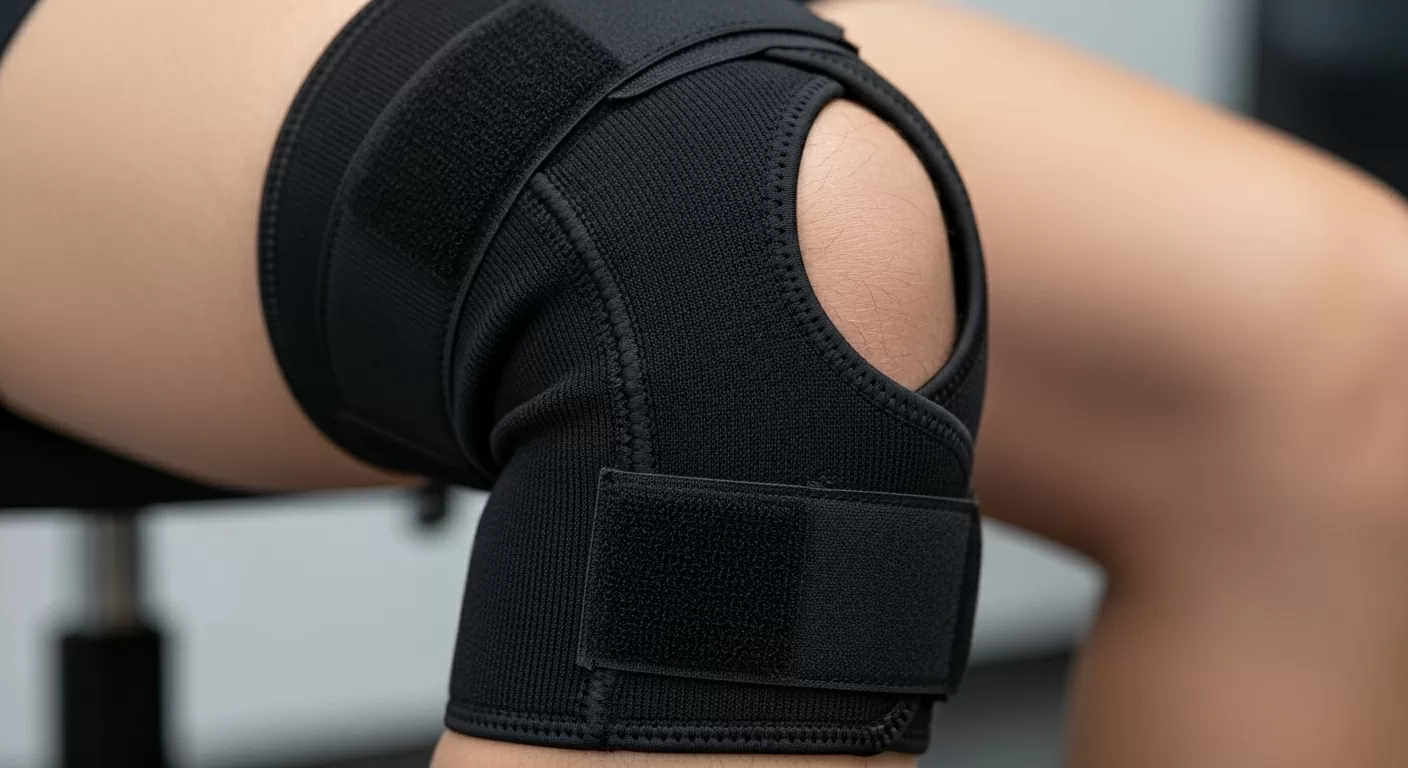
- Compression: By using compression garments, bandages, or specialized units to apply mechanical compression, our physical therapists can effectively prevent fluid buildup, promote circulation, and reduce swelling.
- Elevation: Proper elevation of the affected knee is a fundamental technique for reducing swelling. Physical therapists instruct patients to elevate the knee to at least 60 degrees (i.e., having your foot on the back of the couch or a physioball) to facilitate the drainage of excess fluid and the reduction of swelling.
- Active Motion: Physical therapists guide patients through controlled movements that promote fluid circulation within the knee, enhance joint mobility, and reduce swelling.
Reducing knee swelling is a critical component of effectively managing knee arthritis. Our dedicated physical therapists utilize a comprehensive range of proven techniques to help you alleviate swelling and improve your overall comfort and mobility. We are committed to assisting you in your journey toward a pain-free and active life.
Exercise of the Month
Clamshells (Exercise Band)
(Hips, Glutes)
Lie on your side with your knees bent and feet together. Position an exercise band above your knees. The side you want to exercise should be on top. While keeping your feet together, lift your top knee away from your bottom knee. Slowly return to the starting position. (Materials needed: exercise band) 3 Sets, 10 Reps.

Healthy Recipe: Easy Lemon Butter Fish
A dish like Lemon Butter Fish may be more frequently ordered at restaurants rather than made at home, as it’s not what people tend to think of as Tuesday night fare. But an easy fish recipe can be, and absolutely is a fabulous weeknight dinner. This easy fish recipe with lemon butter sauce goes from stovetop to table top in just 20 minutes.
Ingredients:
- 4 firm white fish fillets, about 6 inches long, 1-inch thickness throughout (cod, halibut, or mahi mahi are great )
- 3 tablespoons melted butter
- Juice and zest from 1 medium lemon
- ½ teaspoon kosher salt, divided, plus extra to taste
- 1 teaspoon paprika
- 1 teaspoon garlic powder
- 1 teaspoon onion powder
- ¼ teaspoon freshly ground black pepper
- 3 tablespoons olive oil
- freshly chopped basil or parsley leaves, for garnish and flavor
- extra lemon slices for serving
Instructions
- Use paper towels to thoroughly pat-dry excess moisture from fish fillets. This step is crucial for fish to brown nicely in pan – otherwise, it will steam instead of brown. Set aside.
- In a bowl, combine melted butter, lemon juice and zest, and 1/4 tsp kosher salt. Stir to combine well. Taste and add a bit more kosher salt, if desired.
- In a separate bowl, combine remaining 1/4 tsp kosher salt, paprika, garlic powder, onion powder, and black pepper. Evenly press spice mixture onto all sides of fish fillets.
- In a large, heavy pan over medium high heat, heat up the olive oil until hot. Once your oil is sizzling, cook 2 fish fillets at a time to avoid overcrowding; this allows for even browning.
- Cook each side just until fish becomes opaque, feels somewhat firm in the center, and is browned, about 2-3 minutes per side; lightly drizzle some of the lemon butter sauce as you cook, reserving the rest for serving. Take care not to over-cook, as that will result in a tougher texture. Season with extra kosher salt and freshly ground black pepper to taste.
- If desired, season with extra kosher salt and freshly ground black pepper to taste.
- Serve fish with remaining lemon butter sauce, basil or parsley, and lemon wedges.
Call our clinic today
If you’re experiencing knee pain, don’t wait. Call Exercise Sport Physical Therapy today and schedule your first appointment to have your condition assessed and get the guidance you need to get back to life!