
Need a Little Help Getting Active? Try Physical Therapy
You know that regular exercise is crucial to living a healthy lifestyle. The CDC recommends adults aim for 150 minutes of moderate activity a week–about 22 minutes a day, so you don’t have to toil away in the gym for hours. But hitting those numbers can still be a challenge, especially if you struggle with persistent pain or limited mobility.
That’s where physical therapy at Exercise Sport Physical Therapy comes in. We’re movement experts who understand all the impairments in your musculoskeletal system that can keep you from living the active, healthy lifestyle you crave. From pain management to maximizing your athletic performance, we’ll help you meet your exercise goals.
Here are just a few of the ways we can help you get healthier. Ready to get started? Call our clinic today!



We Can Reduce Pain and Restore Mobility
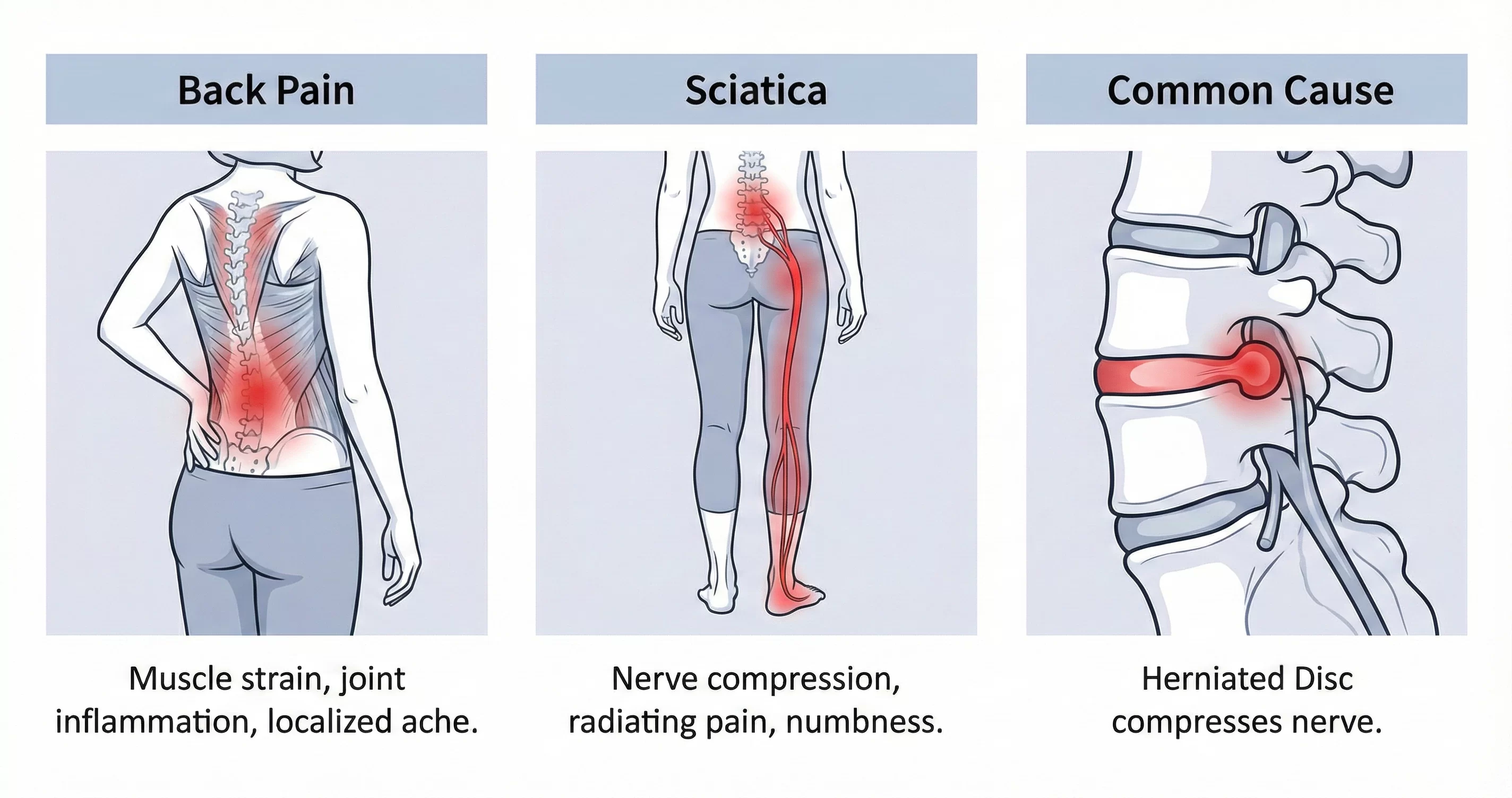
Many orthopedic conditions and injuries can make regular exercise feel difficult (if not impossible). Osteoarthritis, herniated discs, tennis elbow–all can make you feel like it’s easier just to sit this one out. In reality, though, all these conditions (and others) benefit from regular exercise.
Dealing with persistent pain or limited mobility? Our physical therapists offer several options for pain relief, including several manual therapy techniques, such as soft tissue manipulation, joint mobilization, or myofascial release. We use these techniques as the first step in preparing your body for regular movement.
We’ll also show you targeted, tailored exercises to reduce pain in the affected area. Joint pain often stems from muscular imbalances or postural impairments that stress the impacted joint, leading to discomfort and setting you up for more serious injuries. Strength training will help reduce your pain and get you moving again.
Exercise of the Month
Threading the Needle
(Shoulders, Upper Back, Spine Rotation)
Start on your hands and knees in a tabletop position. Slide one arm underneath your body, palm facing up, allowing your shoulder and the side of your head to gently rest on the floor. Feel the stretch through your upper back and shoulders. Hold briefly, then return to the starting position and switch sides. 3 Sets, 30-Second Hold (each side). (Materials needed: floor mat)
We Can Let You Know If You’re At Risk for an Injury
Did you know you don’t have to wait until you’re in pain to visit the team at Exercise Sport Physical Therapy? We’re in the business of preventing injuries, not just treating them–and we can help you enter into a new workout plan without fear!
Our comprehensive physical evaluations test the following:
- Muscle strength and endurance
- Overall mobility
- Biomechanics, which looks at how your body’s systems work together to get you moving
- Balance and fall risk
- Posture
- Walking patterns
- Functional movements that you might perform for work, hobbies, or recreation
During the screens, we’ll look for potential impairments that might cause injuries down the line and suggest corrections to address them–before they become a problem.
For example, let’s say that you want to take up running after some time away. During your assessment, we noticed that you tend to bend forward at the waist when jogging. This habit means that every time your foot hits the ground, you cause more impact in your feet than necessary, which could, eventually, lead to an injury.
By catching the form mistake now–and working with our physical therapists to correct it–you lower your chances of suffering a knee injury (which could prevent you from exercising altogether).
We Can Help You Exercise with Confidence
Starting a new exercise program for the first time–or restarting one after some time away–can be deeply intimidating. You don’t know which exercises you should do. You have no idea if you’re performing movements correctly. You’re not even sure what types of exercise you would enjoy.
Our physical therapists can help with all these concerns and more. We can suggest an exercise program that suits your abilities, interests, and goals and work with you one-on-one to guide you through any unfamiliar movements or equipment. We can also suggest movement or activity modifications if something’s too difficult and offer reassurance that even small changes can have a big impact.
Our team doesn’t just help beginners, either. As you progress, you may find yourself plateauing or struggling with certain aspects of your performance. Our therapists can get to the bottom of things and develop a performance improvement plan so you can see the results you’re looking for.
Sources: https://www.cdc.gov/physicalactivity/basics/adults/index.htm, https://www.ncbi.nlm.nih.gov/pmc/articles/PMC6509454/
Start the Journey to An Active Lifestyle Today!
No matter your needs, the physical therapists at Exercise Sport Physical Therapy will help you get active in a way that works for you. Call us to schedule your initial consultation!
Aquatic Therapy: Healing In the Water
Aquatic therapy delivers physical therapy in a gentle, supportive environment. Because water naturally supports much of your body weight, many exercises and movements become possible, even when walking or standing on land may be too painful or difficult.
One of the greatest benefits of aquatic therapy is that water buoyancy dramatically reduces stress on joints, bones, and soft tissues – relieving pressure that can make rehabilitation painful. This is especially helpful for patients recovering from surgery, managing arthritis, or healing after fractures or joint injuries.
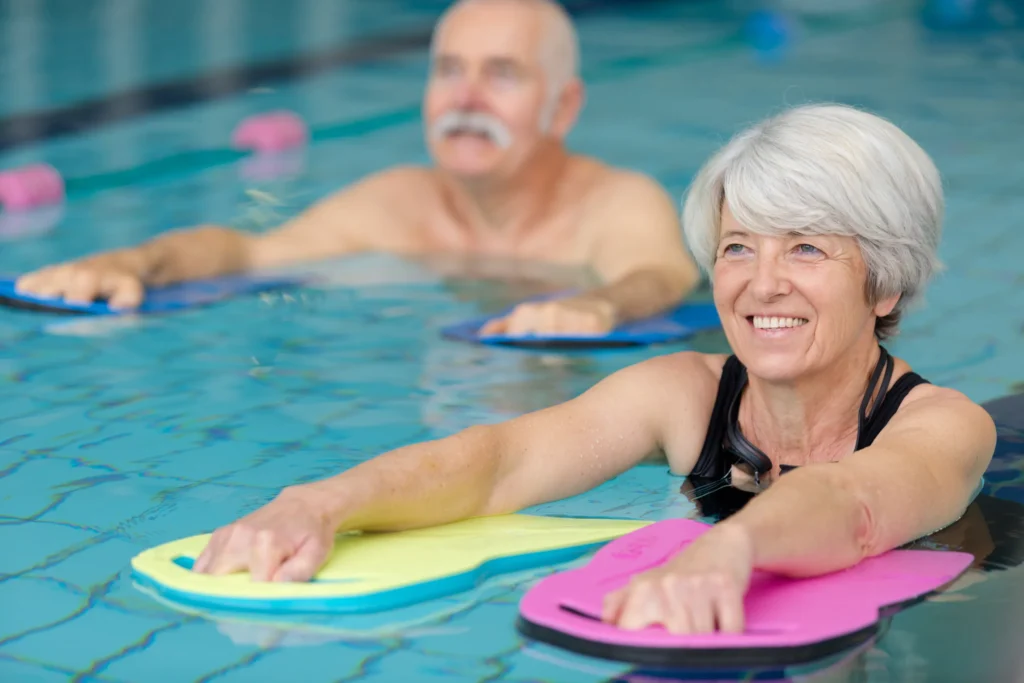
At the same time, water provides gentle resistance through its viscosity. As you move, water pushes back; helping build muscle strength and endurance without heavy weights or high impact on joints. Combined with water’s supportive nature, this allows safe rebuilding of muscle tone and control even when mobility is limited.
Water’s hydrostatic pressure – the gentle but uniform pressure water exerts on your body – can also reduce swelling, help circulation, and support more efficient breathing.
Beyond physical healing, aquatic therapy offers benefits for balance, coordination, and confidence. The supportive environment reduces the fear of falling or strain, which is especially valuable for older adults, those recovering from neurological injuries or stroke, or anyone rebuilding mobility.
If you or someone you love is recovering from injury, surgery, chronic joint pain, or mobility challenges, aquatic therapy could be a great option to discuss with your therapist.
At our clinic, we are committed to helping you explore whether aquatic therapy can safely and effectively support your recovery goals.

Cinnamon Apple Bake
Ingredients
- 4 apples, sliced
- 1 cup fresh cranberries
- 1 tablespoon maple syrup
- 1 teaspoon cinnamon
- 1 teaspoon vanilla
- Pinch of nutmeg
- Small handful of chopped walnuts or pecans
- Optional: a squeeze of lemon
Steps
- Heat the oven to 375.
- Toss the apple slices and cranberries in a bowl with maple syrup, cinnamon, vanilla, nutmeg, and lemon if using.
- Spread the mixture in a small baking dish.
- Sprinkle nuts on top.
- Bake for about 25 minutes until the apples are soft and the cranberries burst.