
What Is the Connection Between Neck Pain and Headaches?
Are your headaches coming more frequently and lasting longer? Do you notice tension in the upper back and neck every time you get a headache? You may be experiencing a cervicogenic headache.
The good news is that our physical therapist can provide you with the guidance you need to resolve your headaches once and for all!
There are all sorts of reasons why headaches may develop. From environmental factors like weather changes and exposure to certain perfumes or other scents to stress and allergies, headaches happen to the best of us.
However, some headaches may be a bit more predictable than others. Factors like the type of mattress you sleep on, the pillow you use, or even the desk chair you sit in at work can all impact your risk for experiencing regular cervicogenic headaches because of the intricate network of nerves and muscles in your neck.
Our physical therapists are skilled at treating all types of headaches. Call Exercise Sport Physical Therapy today and set up an appointment with one of our highly trained physical therapists!
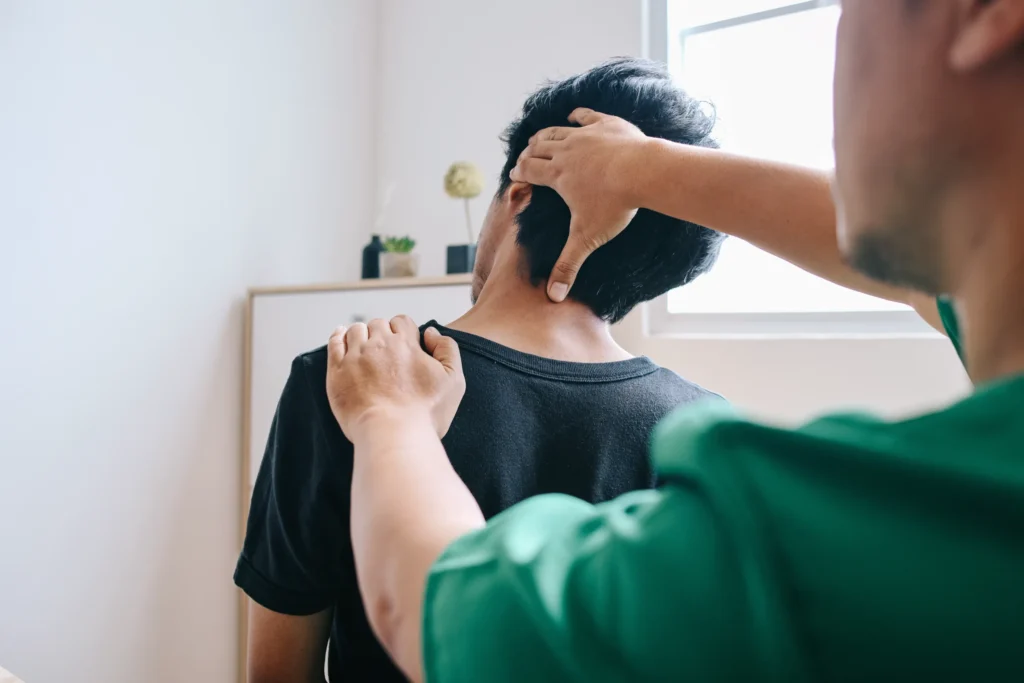


How Neck Pain Leads to Headaches
The majority of the time, neck pain starts as a seemingly small concern. A crick in your neck here or there may begin to develop more frequently, and before you know it, you’re dealing with neck pain every day.
Sometimes what causes your neck pain is a bad habit that you don’t think twice about, like watching TV at the end of a long day, keeping your neck at an odd angle as you enjoy your favorite show. Or maybe your headache/neck pain starts from your posture as you type at your desk every day hunched over.
We usually consider these poor habits to be harmless. But the reality is that they could be putting undue stress on your neck, and if you aren’t careful, this could translate to a headache.
Common Causes of Neck-Related Headaches
One of the most common ways to trigger pain in your neck that radiates to the head is through weightlifting or other sports-related injuries. The forces that occur while lifting something heavy or participating in a contact sport can be the beginning of a cervicogenic headache.
The cause of the issue isn’t always as simple to identify. Getting a physical therapy assessment can help to clarify the source of the pain and, more importantly, the solution.
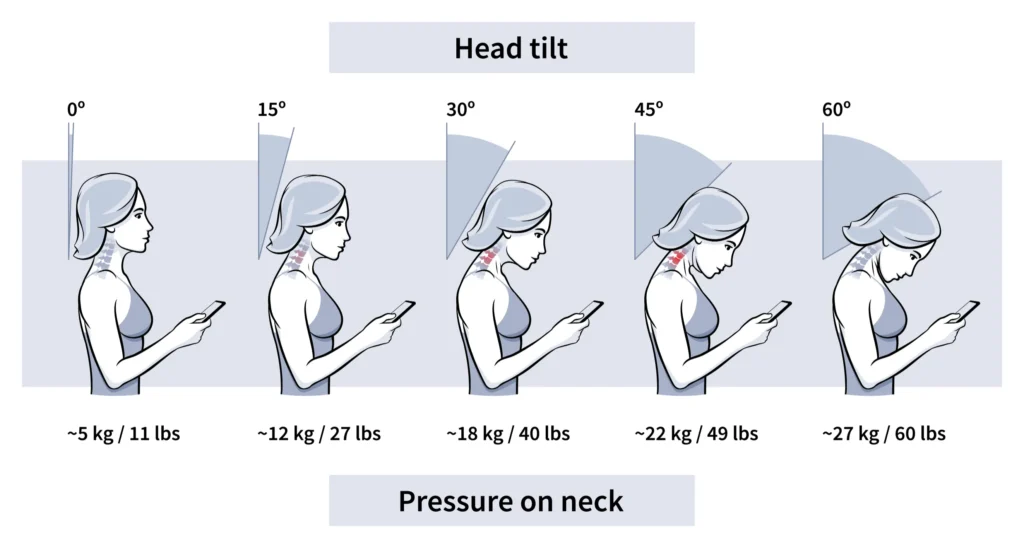
Why Posture Is So Important to Feel Good
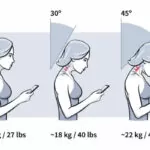
Working with a physical therapist can help you identify whether or not your headaches may result from neck pain or strain. One of the most common causes of headaches due to neck pain is forward head posture. Forward head position means that when you are slouching!
A prolonged slouched posture leads to strain on the muscles, ligaments, and joints of your neck. Over time, your body will start to alert you to this posture by sending pain signals. Typically, you will adjust your posture for a minute and then resume the offensive position. Eventually, your body’s alert system will get stronger and include discomfort at the base of your head. If you fail to take the warning, a full-blown cervicogenic headache will likely follow.
Signs Your Posture Is Causing Headaches
There are specific ways that you can tell if your posture is causing cervicogenic headaches, including:
- The pain in your neck/head is worse at the end of a workday.
- The pain starts in your neck and moves into your head.
- The pain subsides when you switch positions (i.e., moving from sitting to standing).
- Neck pain/headaches develop after a change in circumstances, such as starting a new job with a new desk chair or getting a new car.
Working with a physical therapist to improve your posture with exercises is an effective way to overcome chronic neck and back pain.
Exercise of the Month
Neck Glide
(Neck)
Stand tall with your shoulders relaxed and your head in a neutral position. Gently draw your head straight backward, keeping your chin level—like you’re trying to make a double chin. Avoid tilting your head up or down. Hold briefly, then return to the starting position. 3 Sets, 10 Reps.
How Physical Therapy Can Help Your Posture
Our spine is designed to move, which means our posture should also move. At Exercise Sport Physical Therapy, our physical therapists will guide you through a series of stretches, postural corrections, and strength-building exercises that can help you begin training your body to practice better posture, thereby reducing your neck pain.
Stretching the muscles in your neck to alleviate neck strain can reduce the severity and frequency of your headaches. Stretching and strengthening the muscles that have grown tight and weak along the back of your neck and those along the shoulders can help you find relief from the tension that is causing your pain.
Understanding your ideal posture and how to manage it throughout your day can help you be proactive and find a solution for your sore neck. Learning specific exercises/movements on how to improve your posture is one of the most effective solutions. It seems small, but consistently it has been shown to help!
While you can try many simple activities at home, working with a physical therapist is the only way to ensure that what you are doing won’t potentially lead to more significant injury.
Understanding the Different Types of Headaches
So, what are the different types of headaches, anyway?
That’s a surprisingly tricky question, as there are over 150 different ones! Experts generally classify them into different categories based on whether or not they are primary (no underlying medical condition) or secondary (stemming from an underlying condition).
Primary Headaches
- Migraine: Migraines cause recurring attacks, lasting 4 hours to 3 days, of throbbing or pulsing pain on one side of the head, plus additional symptoms like light or noise sensitivity or nausea.
- Tension: These headaches develop due to contracting neck, face, or jaw muscles. You’ll usually feel them as pressure on both sides of your head.
- Cluster: This type causes extremely painful, migraine-like headaches that occur around the same time for several weeks (i.e., in a cluster).
Secondary Headaches
- Sinus: A sinus headache occurs due to inflammation of your sinuses, which is where you’ll feel the pressure-like pain–in your cheeks, brow, or forehead.
- Cervicogenic: Because these headaches develop due to an underlying issue in the neck, they’re considered secondary headaches.
Not sure what type of headache you’re dealing with? Call Exercise Sport Physical Therapy to schedule an appointment — we’ll review your symptoms and help you get to the bottom of it!

Healthy Recipe: Anti-Inflammatory Turmeric Smoothie
Inflammation can contribute to tension headaches and neck pain. This delicious smoothie is packed with anti-inflammatory ingredients to help support your body’s natural healing process!
Ingredients:
- 1 cup unsweetened almond milk
- 1 frozen banana
- ½ cup frozen mango chunks
- 1 teaspoon fresh turmeric (or ½ teaspoon ground turmeric)
- ½ teaspoon fresh ginger (or ¼ teaspoon ground ginger)
- 1 tablespoon ground flaxseed
- Pinch of black pepper (helps activate turmeric’s benefits)
- 1 teaspoon honey (optional)
Instructions:
Combine all ingredients in a blender and blend until smooth. Pour into a glass and enjoy immediately! The turmeric and ginger provide powerful anti-inflammatory properties, while the banana and mango add natural sweetness and essential nutrients.
Ready to Find Relief from Your Headaches?
If you’re struggling with recurring headaches and neck pain, call Exercise Sport Physical Therapy today for a comprehensive assessment. We’re here to help you learn what steps you can take to alleviate and prevent your pain once and for all!
Contact Us for an Appointment
If you’re struggling with recurring headaches and neck pain, call Exercise Sport Physical Therapy today for a comprehensive assessment. We’re here to help you learn what steps you can take to alleviate and prevent your pain once and for all!
Sources: https://www.ncbi.nlm.nih.gov/pmc/articles/PMC5994516/, https://www.ncbi.nlm.nih.gov/pmc/articles/PMC3201065/, https://www.ninds.nih.gov/health-information/disorders/headache